


Understanding army surplus grades UK retailers use is the key to shopping military surplus with confidence. If you’ve spent any time browsing army surplus clothing and equipment, you’ll have noticed items listed as Grade 1, Grade 2, or with condition ratings like “unissued” or “serviceable.” For newcomers to the world of military surplus, this grading system can be confusing — but once you know what each grade means, you’ll always get the best value from your purchases.

Why Do Army Surplus Grades Exist?
Military surplus clothing and equipment has, by definition, already had a life of service. Governments and armed forces issue kit to personnel, that kit gets used in training and operations, and when it’s no longer needed by the military it enters the civilian surplus market. The condition of items varies enormously — some kit was issued but barely used, while other items have seen years of hard wear in demanding environments.
Grading systems exist to give buyers a standardised way to understand the condition of an item before purchasing it. Rather than every retailer describing condition in their own way, a grading scale provides a common language. That said, it’s worth noting that grading is not perfectly standardised across all UK surplus retailers — Grade 1 at one shop may not mean exactly the same as Grade 1 at another — so always read a retailer’s own grading definitions before buying.
What Does Grade 1 Mean?
Grade 1 is the highest grade you’ll typically see assigned to used military surplus items. Grade 1 items have been used — they are not new — but they have been inspected and are in very good condition with only light signs of wear. Expect minor fading, perhaps some small marks, or slight softening of fabric from washing, but no significant damage, tears, or heavy soiling.
Think of Grade 1 as equivalent to buying a well-maintained second-hand item from a careful previous owner. The item will look worn, but it will be fully functional and, in many cases, nearly indistinguishable from new once you’re wearing it in the field.
Grade 1 is the right choice when you want items that look as good as possible — for instance if you’re using surplus clothing for regular everyday wear, for hiking where presentation matters, or for historical re-enactment.
What to Expect from Grade 1 Surplus
- Fully functional — zips, buttons, buckles, and Velcro all working correctly
- No tears, holes, or significant damage
- May show light fading or minor scuffs consistent with moderate use
- Cleaned and inspected before sale
- Pattern and colour intact — DPM, MTP, or whatever the camo pattern may be clearly visible
What Does Grade 2 Mean?
Grade 2 items have seen more use than Grade 1, and it shows. These are items that remain fully functional and serviceable — they’ll do the job they were designed to do — but they carry more visible evidence of their service history. You might see heavier fading, more noticeable wear at stress points (cuffs, elbows, knees), or minor repairs such as small patches.
Grade 2 surplus represents outstanding value for money if you’re not concerned about appearance. For hardcore outdoor use, camping, bushcraft, working in the garden, paintball, or any application where the kit is going to take a beating anyway, Grade 2 is the sensible choice. You’ll pay significantly less than for Grade 1 and the performance of the item will typically be identical.
It’s also worth noting that many military professionals actively prefer well-worn kit for field work — stiff new items haven’t been broken in, whereas used kit is already comfortable and proven.
What to Expect from Grade 2 Surplus
- Fully functional and structurally sound — no damage that affects use
- More visible signs of wear, including heavier fading and worn areas
- May have minor repairs, patches, or reinforcing
- May carry unit markings, name tapes, or stamps from service use
- Ideal for heavy-duty practical use rather than smart appearance
What Does “Unissued” Mean?
Unissued surplus (sometimes written as “un-issued” or described as “new old stock”) refers to items that were manufactured for military use but were never actually issued to a service member. These items are as close to new as surplus gets — they haven’t been worn, washed, or used in the field. They may have been in storage for many years, which can mean slight discolouration or a musty smell, but structurally they are unused.
Unissued surplus is the premium tier of the market and commands correspondingly higher prices. If you want the sharpest-looking surplus kit and don’t mind paying closer to new prices for it, unissued is the grade to look for.
What Does “Serviceable” Mean?
Some retailers use the term “serviceable” either as a grade in itself or as a descriptor alongside a numbered grade. Serviceable simply means the item is fit for its intended purpose — it can be used as designed without any immediate repair. This is the baseline standard for all surplus items sold in any reputable shop; if an item isn’t serviceable, it shouldn’t be sold as wearable or usable kit.
When you see “Grade 2 serviceable,” the retailer is specifically telling you that despite the wear and tear visible on the item, it remains fully functional.
Are There Other Grade Ratings?
Some UK surplus retailers use additional grades beyond the standard 1 and 2:
- Grade 3 — Items with significant wear that may have repairs or damage but are still usable. Often sold as workwear or for parts. You won’t find Grade 3 items at all retailers.
- Reconditioned — Items that have been professionally cleaned, repaired, and restored. May bridge the gap between Grade 1 and 2 in terms of appearance.
- Fatigued — A term used by some retailers for heavily worn items, essentially equivalent to Grade 3.
Does Grading Apply to Equipment as Well as Clothing?
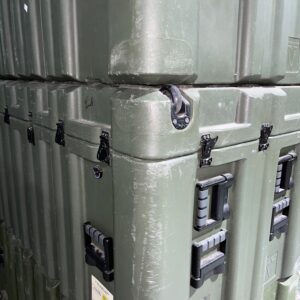
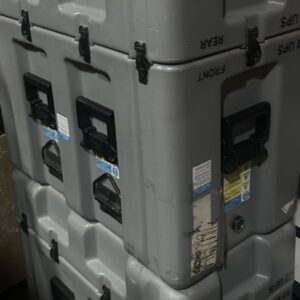
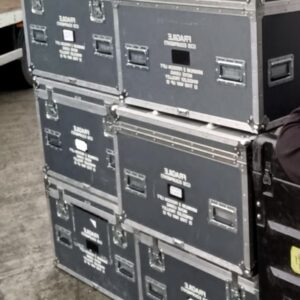
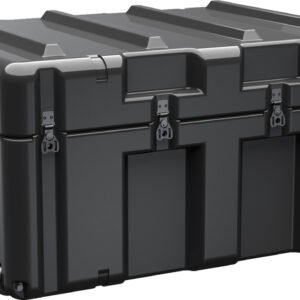
Yes — the same grading principles apply to surplus equipment such as webbing, pouches, bergens, boots, and hard goods like cases and ammo boxes. For equipment, Grade 1 means fully functional with only light wear, while Grade 2 means more visible use but full functionality retained. The principles are the same; only the physical characteristics change — a Grade 2 bergen might have heavier fading on the shoulder straps and a scuffed base panel, but all zips, buckles, and straps will be working correctly.
Tips for Buying Army Surplus by Grade
Check the retailer’s own grading definitions
As mentioned above, grading is not perfectly standardised across the industry. A reputable UK surplus retailer will publish their own grading definitions clearly on their website. Always read these before buying, particularly if you’re ordering online and can’t inspect the item in person.
Match the grade to the intended use
For display, re-enactment, or everyday wear: go Grade 1 or unissued. For field work, bushcraft, festivals, or hard outdoor use: Grade 2 offers better value and the appearance won’t matter once you’ve been crawling through mud.
Don’t overlook Grade 2 for hard kit
For metal and nylon goods — ammo cans, webbing, cases — Grade 2 often makes more practical sense than Grade 1. A scratched ammo can with a perfect seal is just as waterproof as a pristine one, and you’ll pay considerably less for it.
Ask questions before you buy
If you’re unsure about a specific item, a good surplus retailer will be happy to provide more detail about its condition, dimensions, or any specific wear points. Don’t hesitate to get in touch before committing to a purchase.
Shop Graded Army Surplus at Surplus Cases
At Surplus Cases, we stock a wide range of graded British Army surplus clothing, equipment, and accessories, clearly described so you know exactly what you’re getting. Whether you’re after Grade 1 military clothing for field use or robust Grade 2 kit for the outdoors, you’ll find honest descriptions and competitive prices across our full range. Browse our surplus collection today and get genuine military kit at genuine surplus prices.