
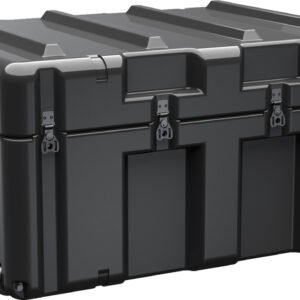
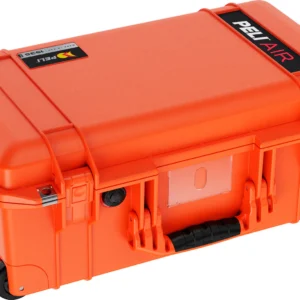
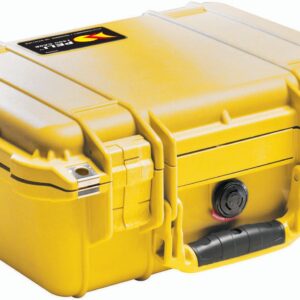
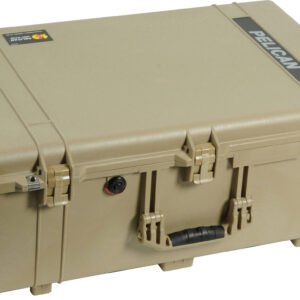
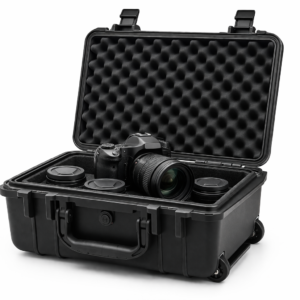
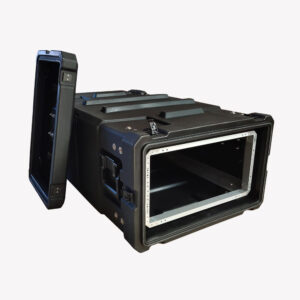

Building a ham radio go-kit case that protects a transceiver, power supply, and accessories through SOTA activations, RAYNET callouts, and emergency comms deployments is a rite of passage for serious portable operators. The case needs to be weatherproof, robust enough for hillside and vehicle transport, and sized to carry a complete portable station in one lift. Ex-military surplus flight cases and Peli-style hard cases are the natural solution — built to MIL-SPEC standards, IP67-rated, and available in the UK at 50–70% below the cost of equivalent new kit. This guide covers what makes a good ham radio go-kit case, which surplus options work best, and how to build a portable station that can handle whatever the activation demands.
Browse Ham Radio Cases from UK Military Surplus
Military-sourced, individually inspected, and accurately described. Fast UK dispatch.
What Is a Ham Radio Go-Kit and Why Does the Case Matter?
A go-kit is a self-contained portable amateur radio station — typically a transceiver (HF, VHF/UHF, or both), a power source (LiFePO4 or lead-acid battery or SMPSU), an antenna, and all the cables and accessories needed to get on air quickly in the field. The go-kit concept comes from emergency communications practice, where operators need to deploy quickly and independently of mains power or fixed infrastructure.
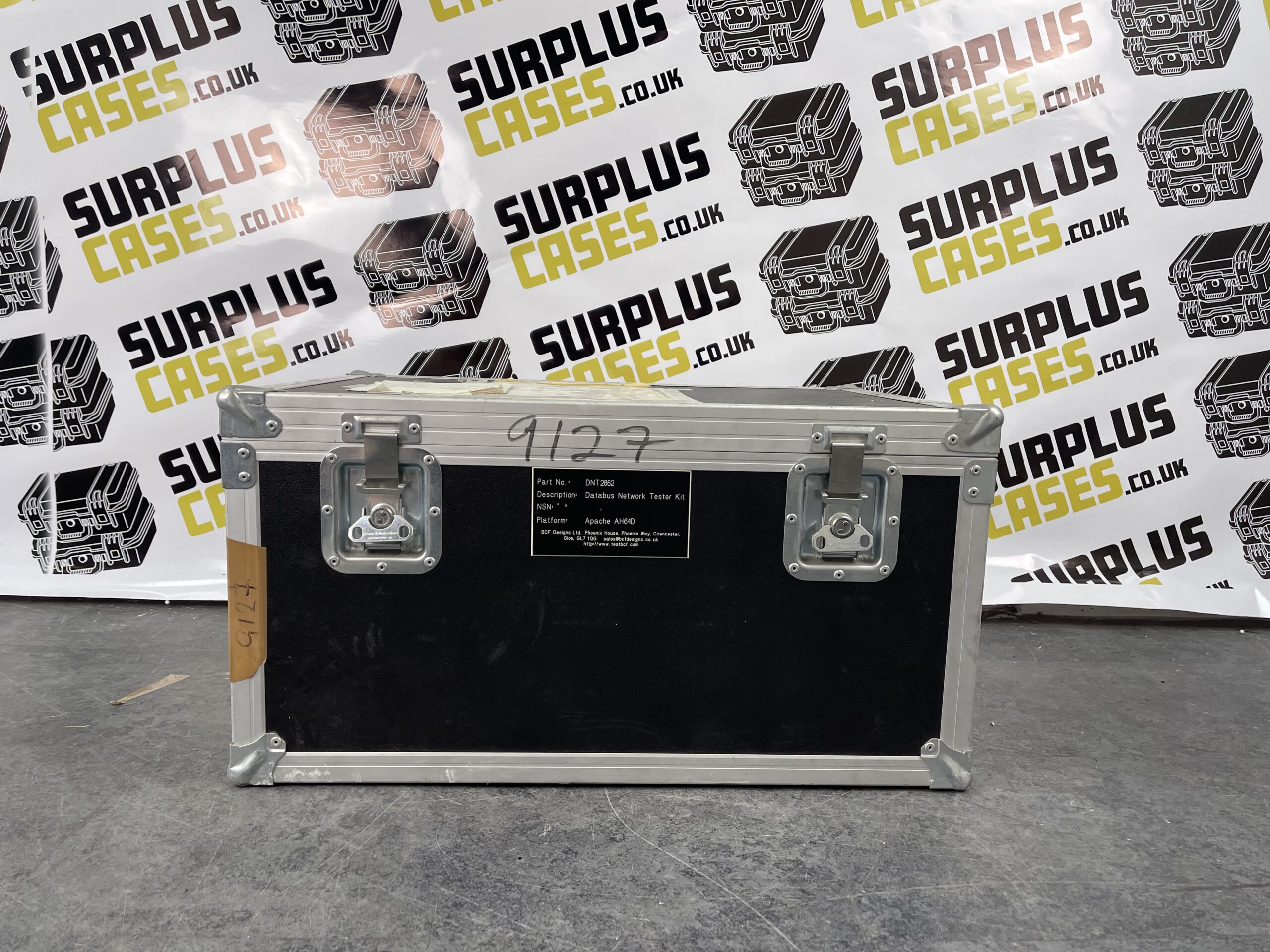
SOTA, RAYNET, and EMCOMM Use Cases
SOTA (Summits on the Air) activations require operators to carry equipment to a summit under their own power — weight matters, but so does protection for a transceiver worth £400–£1,500. RAYNET (Radio Amateurs’ Emergency Network) and EMCOMM (emergency communications) deployments prioritise weatherproofing and ruggedness over light weight. Club field days and portable contesting sit somewhere in between: operators want a case that protects equipment during transport in a car boot, then opens cleanly for rapid deployment.
Why the Ham Radio Community Loves Military Surplus Cases
There is a genuine cultural overlap between the amateur radio community and military surplus enthusiasts — many operators have a background in signals, military communications, or professional radio. Military surplus cases carry an aesthetic resonance alongside their practical advantages. Beyond aesthetics, the practical case for surplus hard cases is straightforward: MIL-SPEC waterproofing and construction, foam interiors that can be cut to fit any transceiver, and prices that make sense for a hobby where the radio is already the major investment.
Case Size Requirements for Common Transceivers
Popular portable transceivers vary considerably in size. The Yaesu FT-857D (approximately 175 × 65 × 240mm) fits comfortably in a medium Peli-type case with a power supply alongside it. The Icom IC-705 (200 × 86 × 200mm) plus its battery pack is a natural fit for a small hard case like the Peli 1510. Larger HF transceivers (Yaesu FT-991A: 213 × 94 × 238mm) need a medium-to-large case. Always measure your transceiver plus power supply, cables, and accessories before selecting a case size.
Who Builds Ham Radio Go-Kits?
The go-kit builder community spans a wide range of operating interests and technical backgrounds.
SOTA activators are perhaps the most weight-conscious go-kit builders, typically optimising for a sub-5kg pack weight including antenna. A Peli 1510 or equivalent small hard case provides protection without excessive weight penalty.
RAYNET and EMCOMM operators prioritise reliability and weatherproofing above all else. A deployment called in bad weather, at night, or during an emergency is exactly when a case that fails to protect the transceiver is most costly.
Field day and contest portable operators want a case that travels safely in a car boot and opens quickly for deployment. Military surplus flight cases with generous internal volume work well here.
New licensees building their first portable station often find that a surplus hard case is the most cost-effective way to create a proper go-kit without spending on a branded Peli case new.
Digital modes enthusiasts (FT8, WSPR, JS8Call) often include a laptop or Raspberry Pi in their go-kit alongside the transceiver — a medium-sized surplus case easily accommodates both with custom foam.
Comparing Go-Kit Case Options for Portable Operation
| Case Type | Waterproof | Weight | UK Price | Best For |
|---|---|---|---|---|
| Ex-mil flight case (surplus) | High (gasket sealed) | Medium–heavy | £30–£100 | Vehicle-based deployments, field days |
| Peli / Hardigg (surplus) | IP67 | Medium | £60–£200 | RAYNET, all-weather deployment |
| Peli 1510 (surplus) | IP67 | Light–medium | £60–£120 | SOTA, travel, compact rigs |
| Branded carry bag (new) | Splash only | Light | £40–£80 (new) | Fair weather, casual portable |
| Rack-mount case (surplus) | Gasket sealed | Heavy | £60–£200 | 19-inch rack gear, club deployments |
For most portable operators, a surplus Peli-style case or ex-military flight case provides the best balance of protection, weight, and cost. SOTA activators should prioritise the smaller, lighter options; RAYNET and EMCOMM operators should prioritise IP67 rating and robust latch systems over weight.
Looking for ham radio go-kit cases from UK military surplus? We stock a carefully selected range, individually inspected and accurately graded. Browse current stock →
What to Look for in a Surplus Go-Kit Case
Selecting a surplus case for ham radio use requires the same inspection discipline as any surplus purchase, with a few use-case-specific considerations.
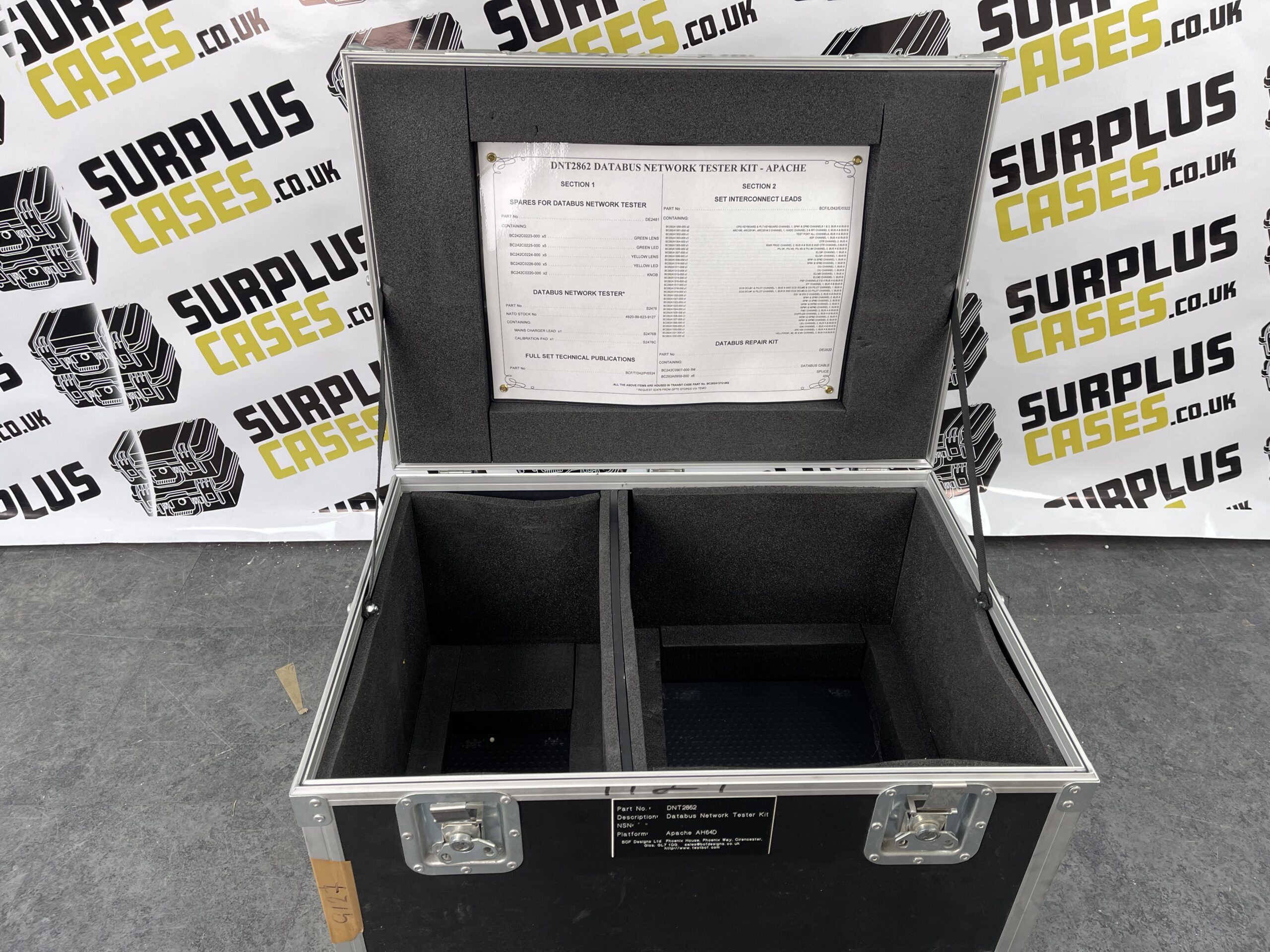
Internal dimensions — measure your transceiver, power supply, and key accessories (microphone, keyer, cables) with everything in its operational configuration, not packed flat. Go-kits are deployed in the field, so the case should allow the transceiver to be removed and replaced quickly rather than requiring careful unpacking of a Tetris arrangement each time.
Gasket and waterproofing — SOTA and RAYNET deployments regularly take place in wet conditions. Inspect the perimeter gasket carefully. A failed gasket on a hillside in driving rain means a wet transceiver.
Latches — draw latches should operate positively and hold the lid down firmly. Cases that will be opened and closed repeatedly in the field need latches with consistent action — bent or stiff latches become frustrating quickly.
Cable management — check whether the case interior allows for coiled cables and antenna connectors without awkward routing. Some surplus cases have pre-formed foam that impedes cable runs; others have sufficient flat foam area to cut cable channels easily.
Weight when loaded — a medium hard case plus a transceiver and LiFePO4 battery can easily reach 8–12kg. For SOTA, this is close to the limit of what’s practical. For vehicle-based deployments, weight matters less.
For a broader overview of what ex-military cases are available in the UK, see our complete guide to ex-military flight cases.
Frequently Asked Questions
What size case do I need for a typical SOTA go-kit?
A SOTA go-kit typically comprises a compact HF or VHF transceiver, a LiFePO4 battery pack (roughly 20 × 10 × 7cm for a 10Ah pack), a microphone or paddle key, and cables. The Yaesu FT-818 (165 × 58 × 166mm) with its battery and accessories fits in a case with around 300 × 200 × 150mm of internal space. The Icom IC-705 is slightly larger. A Peli 1510 equivalent (≈50 × 28 × 19cm internal) will comfortably accommodate most SOTA setups with room for padding. Weight is critical for backpack-carry SOTA: aim for a total pack weight under 5kg including antenna, and choose a case accordingly.
How much should I pay for a go-kit case from UK military surplus?
Ex-military flight cases in the UK typically sell surplus for £30–£100 depending on size and condition. Peli-type hard cases run £60–£200. Either provides substantial savings versus buying new equivalent cases: a new Peli 1510 costs £200–£250; a new medium flight case can run £150–£400. Surplus buyers routinely save 50–70%. For a go-kit case that may cost as much as or more than an entry-level transceiver, that saving is material. Be cautious of very cheap listings that skip gasket and latch detail in photos — a £20 case with a failed seal is a poor trade.
Is a surplus hard case waterproof enough for hillside SOTA use?
A surplus Peli or Hardigg case with an intact perimeter gasket is rated IP67 — fully submersible to one metre. For any realistic hillside or field deployment, that level of protection is more than adequate. Ex-military flight cases with intact gaskets provide high weather resistance without formal IP rating. Before a SOTA activation in uncertain weather, carry out a quick seal check: close the case on a strip of paper around the gasket line and verify resistance. If the gasket shows compression set or cracking, replacement is inexpensive. At Surplus Cases, we note gasket condition accurately in every listing.
Can I build a proper RAYNET deployment case from surplus?
Yes — RAYNET operators regularly use ex-military hard cases and flight cases for deployment kits. A medium Peli-style case or a surplus rack-mount case (for operators using 19-inch equipment) provides the weatherproofing and structural protection that RAYNET deployments require. The key is selecting a case with verified IP67 or high weather resistance rating and ensuring the foam is configured for quick transceiver removal rather than static storage. Many RAYNET operators also carry spare cables, power adaptors, and an aerial in separate pouches within the same case. A case in the £60–£120 surplus range provides exactly the right specification at a fraction of new cost.
What internal features should I look for or add to a go-kit case?
Beyond the case itself, internal organisation makes a go-kit genuinely usable in the field. Pick-and-pluck foam is the standard starting point: remove cubes to create a fitted cavity for the transceiver, then carve channels for cables. Many operators add a thin layer of foam above the transceiver to protect it from the lid. Small zippered accessory pouches (attached to the foam or lid interior with Velcro) keep connectors, keys, and cables organised. Cable management — pre-wound cables in organised channels rather than loose bundles — makes deployment faster and prevents connector damage. A label listing the case contents on the inside of the lid saves time under pressure.
Browse Ham Radio Go-Kit Cases at Surplus Cases
We stock a range of ex-military hard cases and flight cases suitable for ham radio go-kit builds — from compact Peli-style cases for SOTA-optimised rigs, to larger flight cases for full HF deployments and club field day stations. Every case is individually photographed and condition-graded, with gasket and latch condition noted accurately.
Our stock comes from MoD disposal lots and verified UK surplus channels. We specifically look for cases with serviceable foam and intact seals, as these are the features that matter most for radio equipment protection. Cases with failed seals are either repaired before listing or clearly noted as cosmetic/storage use only.
The amateur radio community is one of our most enthusiastic buyer groups — if you’re building a go-kit and need advice on sizing or case selection, get in touch and we’ll help you find the right case for your specific transceiver and deployment requirements. Also see our used Peli cases UK buyer’s guide for detailed inspection advice.
Ready to Build Your Ham Radio Go-Kit?
Ex-military hard cases and flight cases ideal for SOTA, RAYNET, and portable operation — individually inspected and accurately described. Save 50–70% vs new.
✓ All cases pre-inspected
✓ Accurate condition descriptions
Can’t find what you need? Get in touch