
A camera pushes in on a supply tent, and the eye lands on the stack of boxes in the corner before it ever finds the actor. Get those boxes wrong and the whole frame quietly falls apart — which is exactly why military crates for set dressing are one of the details a good production sweats over. The problem is that “military crate” spans two centuries of very different objects, and a genuine article that reads perfectly for a 1982 field HQ will look absurd on a Victorian quayside. This guide is written for the set decorators, prop buyers and art directors who need the boxes in the background to hold up under a 4K lens. It covers what “authentic” really means on camera, which cases suit which era, how to inspect surplus stock before it reaches the studio, and — honestly — where our range fits and where it doesn’t.
Browse Ex-Military Cases & Boxes for Set Dressing
Genuine surplus, individually inspected and accurately graded. Fast UK dispatch, worldwide shipping.
Trusted by UK productions
Surplus Cases has supplied authentic ex-military boxes and cases to productions at Pinewood Studios, Leavesden Studios, Eastbrook Studios, and studios in Cardiff, Edinburgh and London — and we ship worldwide. When set decorators need the real thing, they come to us.
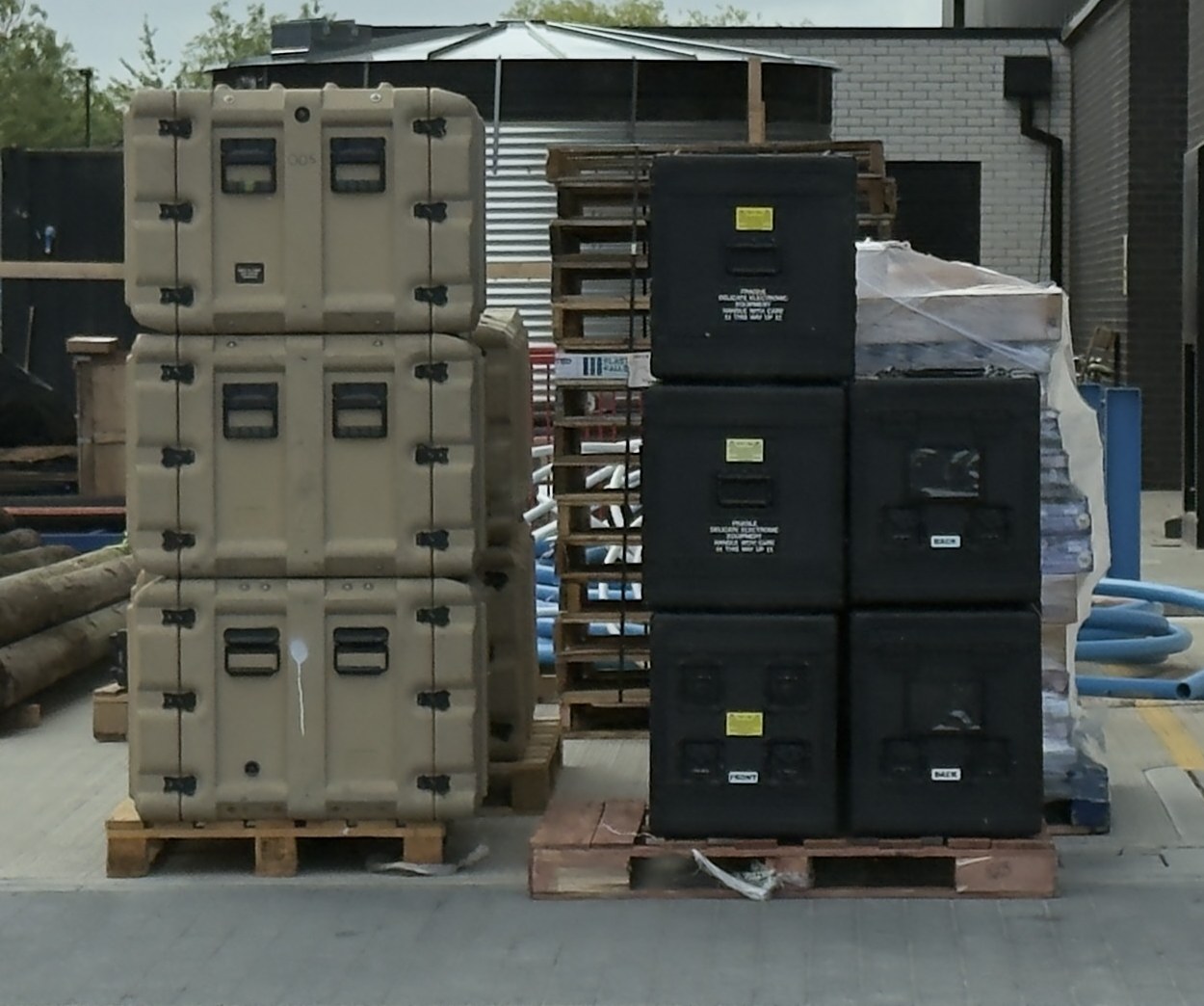
What “authentic” actually means on a period set
Authenticity on camera is not the same as authenticity to a collector. A collector wants provenance; a set decorator wants an object that reads correctly to the audience in the half-second it is on screen, and then survives being handled, restacked and lit for a fortnight of shooting. The two overlap, but not completely — and understanding the gap is what separates a dressing that convinces from one that pulls a viewer out of the story.
Genuine issue beats a clever reproduction
A real ex-military transit case carries wear that no paint-and-sandpaper prop can fake convincingly: the specific way an alloy edge dents, the ghosting where a stencil has half worn off, the honest patina of a case that lived in a vehicle for fifteen years. Under a modern sensor, reproduction “distressing” tends to look like distressing. The genuine article simply looks used, because it is.
The stencil is doing the storytelling
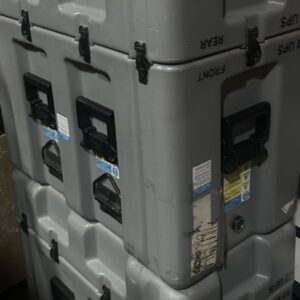
Nomenclature plates, NATO stock numbers, unit stencils and lot markings are the details that whisper “this is real” to anyone who knows, and read as generic-but-right to everyone else. Genuine surplus arrives with those markings intact. That is period detail you cannot buy from a general prop supplier — and it is the reason productions ask us for a mixture of ex-military cases and boxes rather than lookalikes.
Which era is your production actually covering?
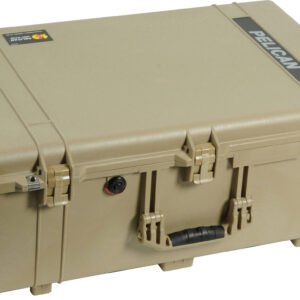
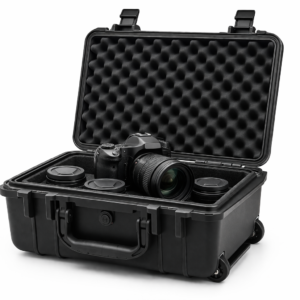
This is the question that decides everything, and it is where honesty matters more than a sale. Our stock is genuine ex-military surplus — Peli and Peli-Storm hard cases, Hardigg transit cases, Zarges aluminium boxes, flight cases and Amazon CP crates. That material is period-correct for the Cold War through to the present day. It is not right for every drama.
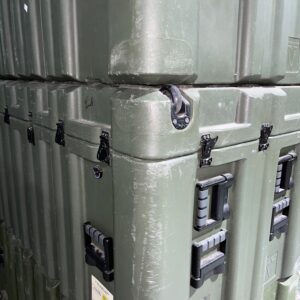
Set decorators on contemporary and near-history productions — anything from a modern-day thriller back to roughly the 1960s — are our core. A Zarges box or a green Hardigg transit case is exactly what stood in a real field store across that whole span.
Prop houses building hireable, reusable stock favour genuine cases because they survive repeated productions and always read true.
Art departments on action, military and espionage projects use them as hero dressing — the crate a weapon or a radio comes out of on camera.
Theatre and live-event designers value that the same box takes a stage light and a close-up equally well.
If you are dressing a pre-1960s or wooden-crate scene — WWII ammunition boxes, a Victorian dockside, a Great War dugout — our range is the wrong tool, and we will say so. Those looks call for period timber crates from a specialist maker. We would rather point you to the right source than sell you an anachronism that a keen-eyed viewer will spot.
Which case suits which era: a set dresser’s reference
Because “military crate” is not one object, the table below maps the genuine surplus we stock against the period it reads correctly for, and flags the anachronism risk. Use it to brief a buyer before they order — it will save a return and a reshoot.
| Case type | Reads correctly for | On-camera role | Anachronism risk |
|---|---|---|---|
| Zarges aluminium box | 1950s–present | Field store, expedition, HQ kit | Low — timeless alloy look |
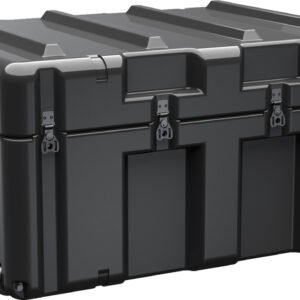
| Hardigg transit case (green) | 1970s–present | Heavy equipment, ordnance transit | Low for modern; wrong pre-1960s |
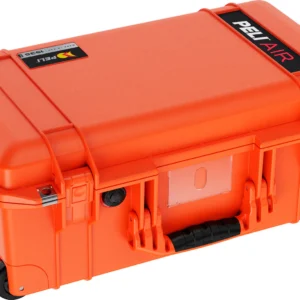
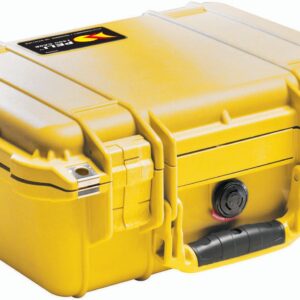
| Peli / Peli-Storm hard case | 1980s–present | Comms, optics, weapon transit | Medium — obviously modern polymer |
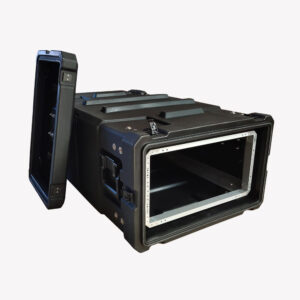
| Amazon CP crate | 1980s–present | Rack & bulk equipment store | Medium — contemporary only |
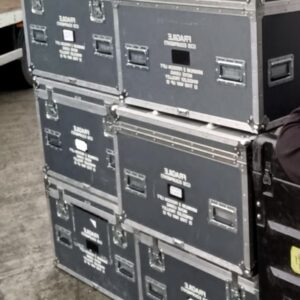
| Flight case (ply/alloy) | 1970s–present | Touring, backstage, logistics | Low in the right setting |
| Wooden ammunition crate | Pre-1960s / WWII | Period dockside, dugout, store | Not our stock — source specialist |
Dressing a Cold War, Falklands or modern-era set? Zarges aluminium boxes are the most era-flexible piece we stock — genuine, hard-wearing and right on camera from the 1950s to today. Browse Zarges boxes →
What to look for when buying surplus for a shoot
Buying for a production is not the same as buying for use. You are buying a look that must also survive a shooting schedule, so the inspection priorities shift. These are the checks that matter before a case reaches the studio floor.

- Stencilling and markings. Original unit stencils, NATO stock numbers and nomenclature plates are the period detail. Check they are present and legible before ordering — they are the part a general prop supplier cannot replicate.
- Honest, camera-friendly wear. You usually want patina, but you want the right kind: dents and scuffs that read as service life, not cracked hinges that fail mid-take. Ask for cases graded on condition, not just “used”.
- Consistency across a stack. Dressing a store or armoury means matching several boxes. Order a graded batch so the stack reads as one issue, not a jumble.
- Weight and handling for the crew. If actors or crew carry a case on camera, confirm it is a manageable weight and the latches work — a box that will not close on the day is a problem.
- Accurate description before it ships. Every case we send is inspected and described honestly, so a buyer ordering by phone or email for a studio floor knows exactly what will arrive.
Frequently asked questions
What are military crates for set dressing, and why use genuine surplus?
They are the transit cases, aluminium boxes and equipment crates that real armed forces use to move and store kit — and on a set they dress everything from a field HQ to a modern armoury. Genuine surplus is used because it carries wear, stencilling and stock markings that reproductions struggle to fake convincingly under a high-resolution camera. A real case simply looks real, because it has actually been in service. For any production aiming for authenticity from the Cold War to the present day, starting with genuine ex-military stock is faster and more convincing than trying to age a reproduction to match.
Which eras do your military crates suit — and which don’t they?
Our genuine surplus — Zarges boxes, Hardigg transit cases, Peli and Peli-Storm hard cases, flight cases and Amazon CP crates — reads correctly from roughly the 1950s and 1960s through to the present day. That covers Cold War, Falklands, Gulf and all contemporary and near-history productions. It is not right for pre-1960s or wooden-crate scenes such as WWII ammunition boxes or Victorian dockside dressing; those call for period timber crates from a specialist maker. We will always tell you honestly if your era falls outside what we can supply authentically.
Can I hire military crates, or do I buy them outright?
We sell genuine ex-military cases and boxes outright rather than operating a prop-hire desk. For many productions that works out well: bought stock can be dressed, redressed, modified and resold or kept as standing inventory, which is why prop houses building reusable ranges tend to buy rather than hire. If you are weighing the two, our companion guide on prop hire versus buying surplus lays out the honest cost and continuity trade-offs. For a one-off scene a hire house may suit; for anything you will reuse or need to match again later, owning the genuine article usually wins.
Do you supply productions outside the UK?
Yes — we ship worldwide. We regularly supply set decorators, prop houses and art departments, and we have delivered genuine ex-military boxes and cases to productions at Pinewood, Leavesden and Eastbrook Studios and to studios in Cardiff, Edinburgh and London. Whether you are dressing a stage in the UK or a set overseas, we can get a graded, matched batch to you. For international orders it helps to brief us early on the era and quantity so we can select stock that reads correctly on camera and confirm delivery timing against your shooting schedule.
How do I match several crates so a stack looks like one issue?
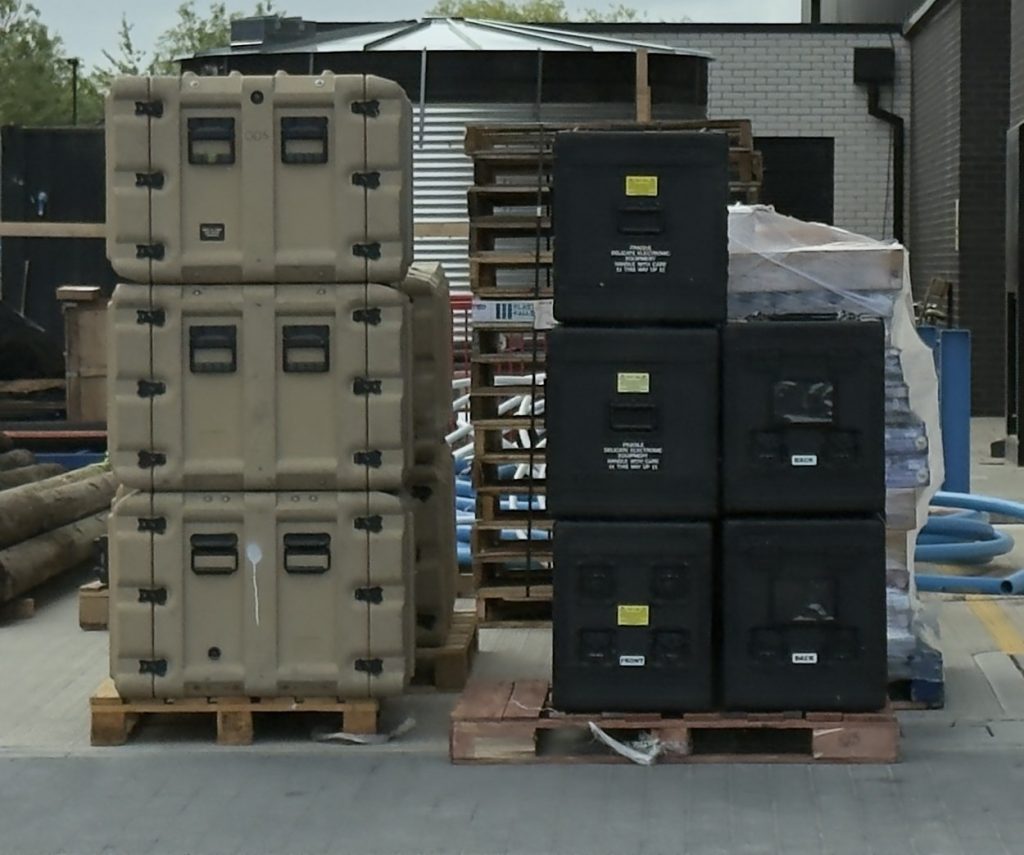
Order them as a graded batch rather than piecemeal. A convincing store or armoury reads as a single military issue, which means the boxes should share a colour, a wear level and, ideally, a family of markings. Tell us what you are dressing and the look you are after, and we will select cases that sit together rather than clash. Because every case is individually inspected and described, we can match on condition as well as type — so the stack in the background holds together instead of looking like a random assortment when the camera finds it.
Browse authentic military crates at Surplus Cases
Surplus Cases exists to put genuine ex-military stock in front of the people who need the real thing — and set decorators, prop buyers and art directors are among them. Everything we sell is authentic surplus, not reproduction: sourced from UK and allied military disposals, individually inspected, and accurately graded so you know exactly what will arrive on the studio floor.
For a period-correct dressing anywhere from the Cold War to the present day, start with our full ex-military cases range or the ever-useful Zarges aluminium boxes, and see our companion set dresser’s sourcing guide for more on building a believable scene. We ship worldwide, dispatch quickly, and will tell you plainly if your era needs a source we are not — because a dressing that convinces matters more to us than a single sale.
Ready to Dress Your Set with the Real Thing?
We stock genuine ex-military Peli, Hardigg, Zarges and flight cases sourced from UK and allied military disposals — individually inspected and accurately described, trusted by UK productions and shipped worldwide.
✓ Worldwide shipping
✓ Trusted by UK productions
Can’t find what you need? Get in touch