
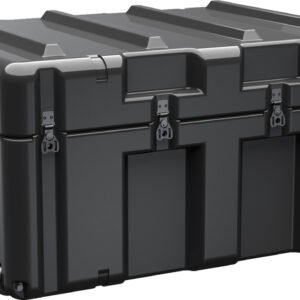
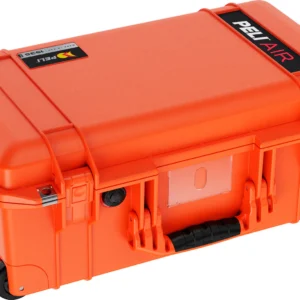
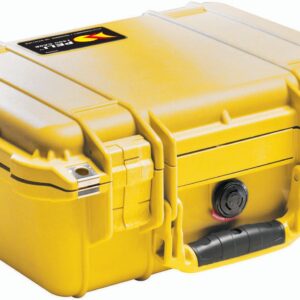
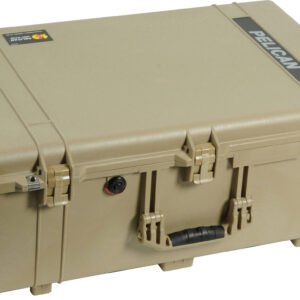
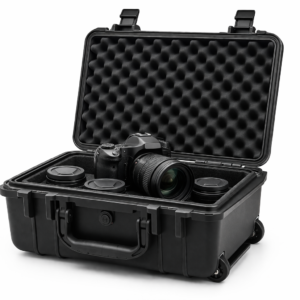
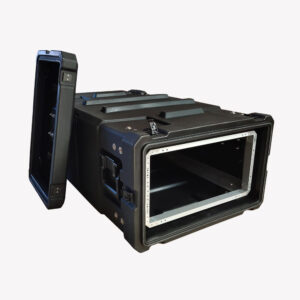

Explorer Cases are the Italian-made polymer cases that have quietly equipped NATO forces for decades — yet in the UK surplus market, the Explorer Cases UK name barely registers compared to Peli or Zarges. That’s changing. As ex-military stock surfaces from MoD disposal and NATO logistics draws down surplus inventory, Explorer Cases are appearing in the UK at prices that make serious buyers take notice. They carry IP67 waterproof ratings, butterfly-latch closures, and the same bomb-proof build quality that persuaded procurement officers across a dozen Allied nations. This guide covers what Explorer Cases are, why military and industrial buyers use them, how they compare to Peli and Zarges, and what to look for when buying surplus stock in the UK.
Browse Ex-Military Cases from UK Military Surplus
Military-sourced, individually inspected, and accurately described. Fast UK dispatch.
What Are Explorer Cases and Why Did NATO Use Them?
Explorer Cases (full name: Explorer Cases S.r.l.) is an Italian manufacturer based in Lombardy that has been producing high-performance protective cases since the 1980s. The company grew to supply military, law enforcement, and industrial clients across Europe and beyond — making them a fixture in NATO logistics chains. Their cases are built from a co-polymer resin that combines high impact resistance with relatively low weight, and every lid seal runs a continuous neoprene gasket around the perimeter.
IP67 Waterproofing and Butterfly Latches
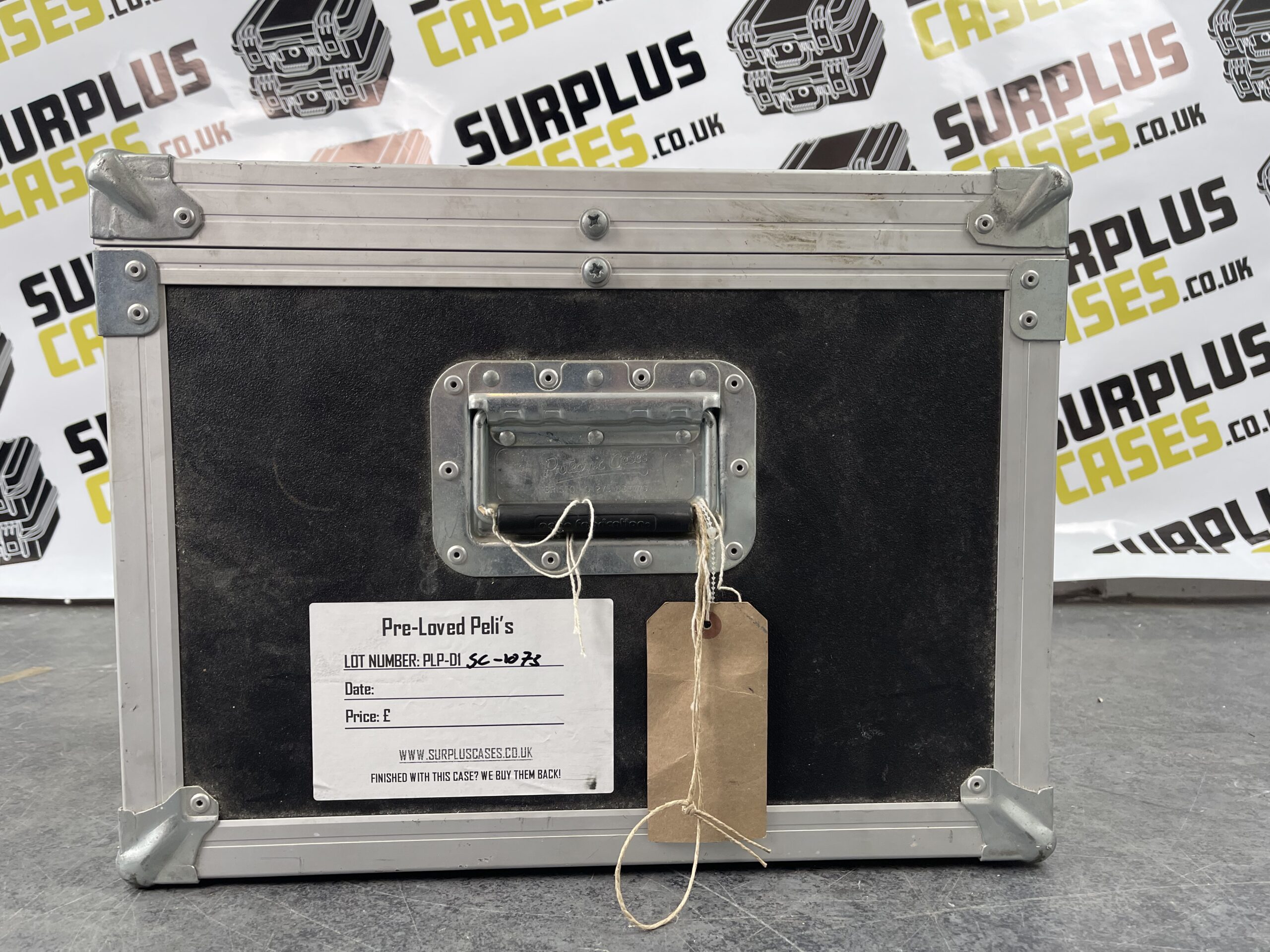
All standard Explorer Cases meet IP67 — fully waterproof to one metre submersion for 30 minutes. The butterfly latch system is one of their signature features: a pair of paired over-centre latches that lock down simultaneously with a single motion, providing consistent compression on the lid seal. This makes field operation fast and reliable. Some military variants have provision for padlock loops integrated into the latch housing.
Polymer Construction vs Aluminium
Explorer Cases are polymer, not aluminium. This gives them a slight weight advantage over Zarges aluminium cases of equivalent internal volume, and the material is inherently corrosion-proof — important in maritime or humid operational environments. The trade-off is that polymer cases can crack under extreme point impact (e.g., being dropped onto a corner from height), whereas aluminium tends to dent without catastrophic failure. For most use cases, the polymer construction is more than adequate.
Military Variants and Surplus Availability
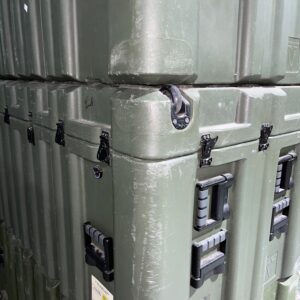
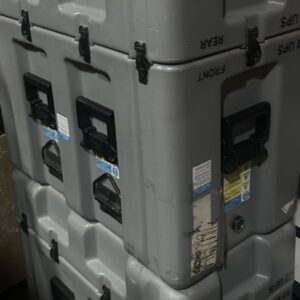
Explorer Cases most commonly enter the UK surplus market in sizes equivalent to the 5140, 7630, and 9413 models — roughly small, medium, and large instrument transit cases. They typically arrive in olive drab or black, and may carry NATO stock numbers stencilled on the exterior. Surplus prices in the UK typically run £40–£120 depending on size and condition, compared to £120–£350 new from distributors.
Who Uses Explorer Cases?
The buyer profile for Explorer Cases overlaps with the wider military surplus case market, with a few particular concentrations.
Military and defence contractors are often already familiar with Explorer Cases from operational use and seek them out surplus for training, transport, or secure storage roles where budget matters.
Broadcast and AV technicians value the IP67 rating and the clean internal geometry for custom foam inserts. The butterfly latches are also faster to operate one-handed than standard draw latches.
Firearms and shooting sports — particularly competitive target shooters and collectors — use Explorer Cases for secure, waterproof transport. Some models fit standard 19-inch rack modules with custom foam.
Scientific field teams carrying sensitive instruments — water quality monitoring equipment, soil sampling kits, remote sensing gear — use Explorer Cases in the same way they’d use a Peli, but at lower cost when sourced surplus.
Overland and expedition travellers mounting cases to roof racks or expedition vehicles value the IP67 rating and the compact external dimensions relative to internal volume.
Explorer Cases vs Peli vs Zarges: A Comparison
The three brands occupy overlapping but distinct niches in the UK protective case market. All three have genuine military supply pedigrees; the differences are in construction material, latch system, price, and availability.
| Feature | Explorer Cases | Peli / Hardigg | Zarges |
|---|---|---|---|
| Construction | Co-polymer resin | High-density polyethylene | Aluminium alloy |
| Waterproof rating | IP67 | IP67 | IP54 (most models) |
| Latch system | Butterfly (paired over-centre) | Draw latches | Trigger latches or draw |
| Surplus price (UK) | £40–£120 | £60–£200 | £50–£180 |
| UK surplus availability | Moderate (growing) | High | Moderate |
| New retail price | £120–£350 | £150–£500+ | £90–£400+ |
For buyers coming from a Peli background, Explorer Cases will feel familiar in use. The butterfly latches require a brief adjustment but most users prefer them within days. For buyers considering Zarges, the IP67 vs IP54 difference can be decisive in genuinely wet environments.
Looking for ex-military cases from UK military surplus? We stock a carefully selected range, individually inspected and accurately graded. Browse current stock →
What to Look for When Buying Explorer Cases Surplus
Buying surplus cases requires a slightly different checklist to buying new. Explorer Cases are robust, but specific wear points are worth checking before committing to a purchase.
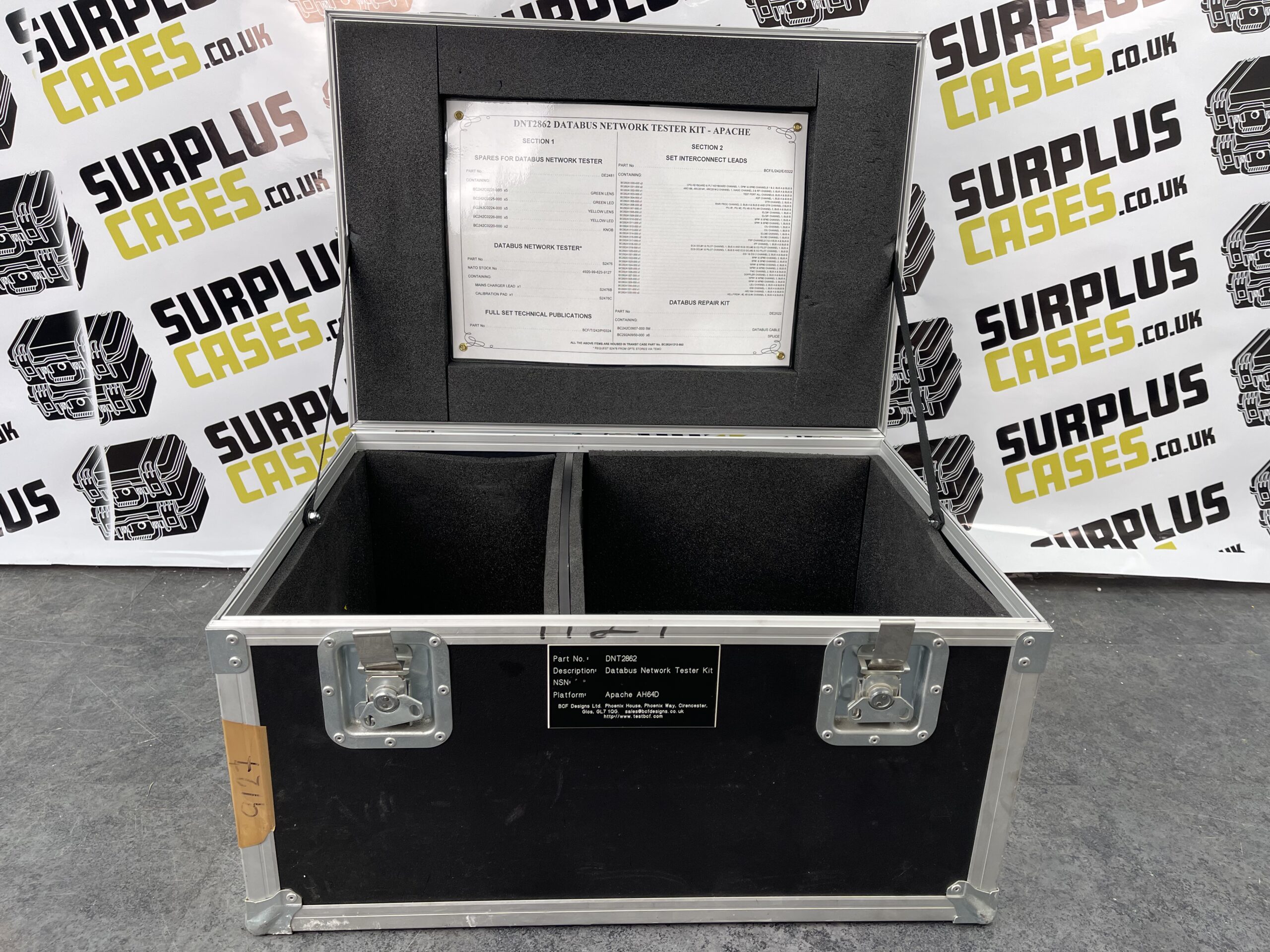
Butterfly latches should spring open cleanly and lock down with positive resistance. Sluggish latches often just need a clean; latches that won’t close fully suggest a bent or worn over-centre mechanism. Check both latches operate simultaneously and that they sit flush when closed.
O-ring / perimeter gasket — run a finger around the full perimeter of the lid seal. The gasket should be continuous, supple, and seated in its channel without gaps or compression sets. A hardened or cracked gasket compromises the IP67 rating. Replacement gaskets are available but fitting them requires removing the lid.
Hinges and lid alignment — open and close the lid several times. It should sit flat when closed with no visible gap at the seal. Warped lids (rare but possible in cases that have been stored under compression) will leak.
Foam condition — military foam is often pick-and-pluck or pre-cut. Check for compression set, contamination (oils, solvents), or missing sections. Replacement foam sets are widely available and cheap if the rest of the case is sound.
Exterior markings — NATO stock numbers and unit markings add authenticity for some buyers; others prefer unmarked cases. At Surplus Cases, all markings are photographed and described accurately in the listing.
For more guidance on buying used protective cases, see our used Peli cases UK buyer’s guide — much of the advice applies equally to Explorer Cases.
Frequently Asked Questions
How much do Explorer Cases cost in the UK surplus market?
Surplus Explorer Cases in the UK typically sell for £40–£120 depending on size and condition. Smaller models (equivalent to the 5140 series, internal dimensions roughly 500 × 350 × 200mm) tend to come in at the lower end of that range. Larger instrument transit cases (7630 equivalent and above) usually fetch £80–£120. New retail prices from UK distributors run £120–£350 for the same sizes, meaning surplus buyers typically save 50–70%. Pricing varies based on condition grade, presence of original foam, and whether the case has been cleaned and re-sealed.
Are surplus Explorer Cases still waterproof — what’s the IP67 rating?
IP67 means the case is rated for full immersion to one metre depth for 30 minutes. Surplus cases can maintain this rating if the perimeter gasket is intact and undamaged. Before use in genuinely wet conditions, carry out a simple inspection: check the gasket is continuous and supple, close the latches with a sheet of paper across the seal line and attempt to pull it free — resistance indicates a good seal. If the gasket shows signs of hardening, cracking, or gap, replacement gaskets are available. A professionally inspected surplus case with a good gasket will perform identically to a new one.
How do Explorer Cases compare to Peli in terms of quality?
Both are genuine military-specification cases and both carry IP67 ratings. Peli (manufactured in the USA by Pelican Products) has broader UK name recognition and a wider range of civilian retail models. Explorer Cases are made in Italy and are more commonly encountered as pure military procurement items rather than civilian retail purchases. In terms of build quality, they are directly comparable — both have been used in NATO operational logistics. The butterfly latch system on Explorer Cases is arguably faster in the field. Peli has the edge on spare parts availability and aftermarket foam in the UK.
Can I get replacement foam for Explorer Cases?
Yes. Explorer Cases use standard interior dimensions that accept generic pick-and-pluck foam, pre-cut foam sets, and custom CNC-routed inserts. Foam suppliers such as Flambeau, Foam Sales UK, and various eBay sellers offer cut-to-size replacements. When ordering, measure the internal dimensions carefully (length × width × depth) rather than relying on model numbers, as military variants may differ slightly from civilian retail configurations. Some surplus cases arrive with intact original foam that only needs a clean; others arrive empty or with damaged inserts.
Are Explorer Cases easy to find in the UK?
Explorer Cases appear less frequently in the UK surplus market than Peli or Zarges, but availability is growing as NATO nations rotate stock and MoD disposal lots include more varied equipment. Specialist surplus retailers (like Surplus Cases) are a more reliable source than general online marketplaces, where listings tend to be inconsistent in condition grading and often lack photos of the gasket and latch condition. When stock is available, it tends to move quickly due to the price-to-quality ratio.
Browse Explorer Cases at Surplus Cases
At Surplus Cases, we source ex-military protective cases directly from MoD disposal, NATO logistics drawdowns, and verified UK surplus dealers. Every case we list is individually inspected — latches tested, gasket checked, foam condition photographed, and condition graded accurately. We don’t list cases with failed seals or broken latches without stating it clearly.
Explorer Cases in our stock are typically cleaned, re-latched, and checked for IP67 seal integrity before dispatch. We photograph each unit individually, so what you see in the listing is the exact case you receive — not a stock image. All orders are dispatched from the UK, usually within 1–2 working days.
If you’re comparing Explorer Cases to our Peli and Hardigg stock, our ex-military flight cases guide gives a broader overview of what’s available and how the different brands sit in the market.
Ready to Find Your Explorer Case?
Ex-military Explorer Cases and equivalent NATO surplus hard cases — individually inspected and accurately described. Save 50–70% vs new.
✓ All cases pre-inspected
✓ Accurate condition descriptions
Can’t find what you need? Get in touch